News

AI blood test enables detection of brain tumors

We recently developed a novel blood test to detect brain tumors which was just published in Cancer Discovery! These are some of the hardest to find tumors and historically have been thought near-impossible to detect in the circulation, but this novel test uses our lab’s ARTEMIS and DELFI approaches to detect genome-wide changes to cfDNA arising from both brain and immune cells. Congratulations to Dimitrios, Noushin and all members of our team on this great effort to change paradigms for brain cancer detection!
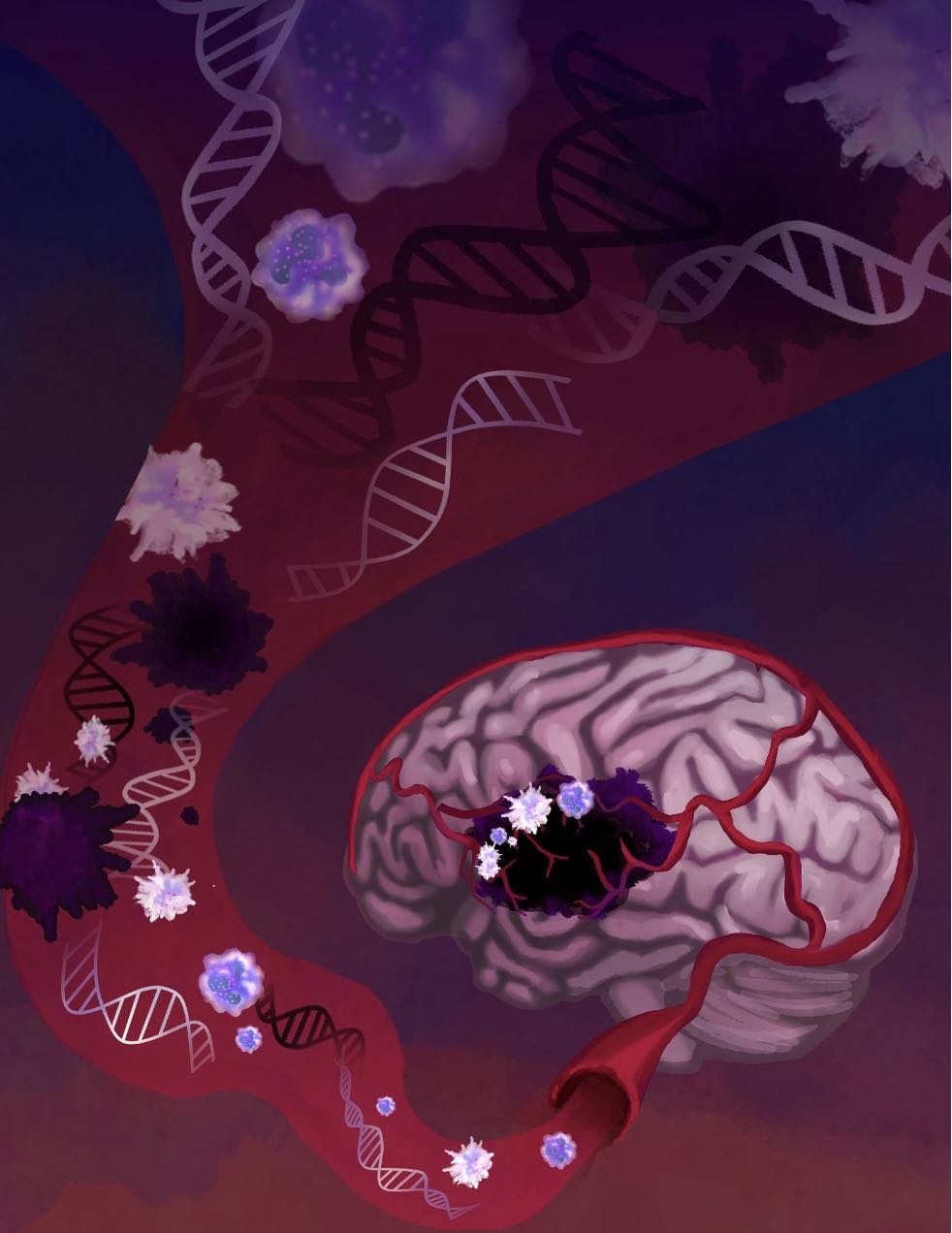
Mathios D, Niknafs N, Annapragada AV, Bobeff EJ, Chiao EJ, Boyapati K, Boyapati K, Short S, Bartolomucci AL, Cristiano S, Koul S, Vulpescu NA, Ferreira L, Medina JE, Bruhm DC, Adleff V, Podstawka M, Stanisławska P, Park CK, Huang J, Gallia GL, Brem H, Mukherjee D, Caplan JM, Weingart J, Jackson CM, Lim M, Phallen J, Scharpf RB, Velculescu VE. Detection of brain cancer using genome-wide cell-free DNA fragmentomes. Cancer Discovery. 2025 Apr 29. doi: 10.1158/2159-8290.CD-25-0074. Epub ahead of print. PMID: 40299319. Article | Press.
Comments are closed.

Cancer Genomics Lab members present at AACR 2025!

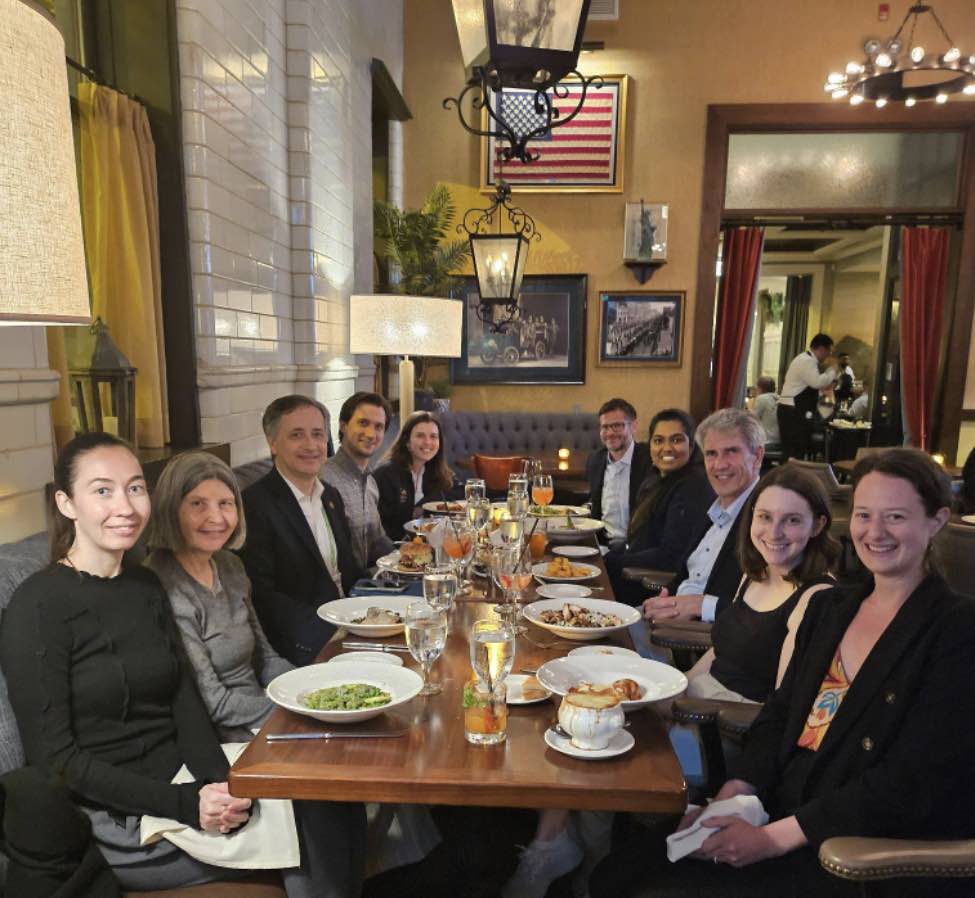
Members of the Cancer Genomics Lab presented talks and posters at this year’s American Association for Cancer Research (AACR) annual meeting, demonstrating exciting new discoveries on the biology of cfDNA and the transformative potential for AI-powered cfDNA liquid biopsies to enable early cancer detection. Several members of the group (Akshaya, Sarah, and Nick) were also recognized with scholar-in-training awards.

Congrats to Victor, Rob, Akshaya, Nick and Sarah on fantastic posters and talks, and representing our group’s work at this meeting!

A full list of our team’s sessions may be found here.

Comments are closed.

New review article illuminates the universe of cfDNA fragmentation

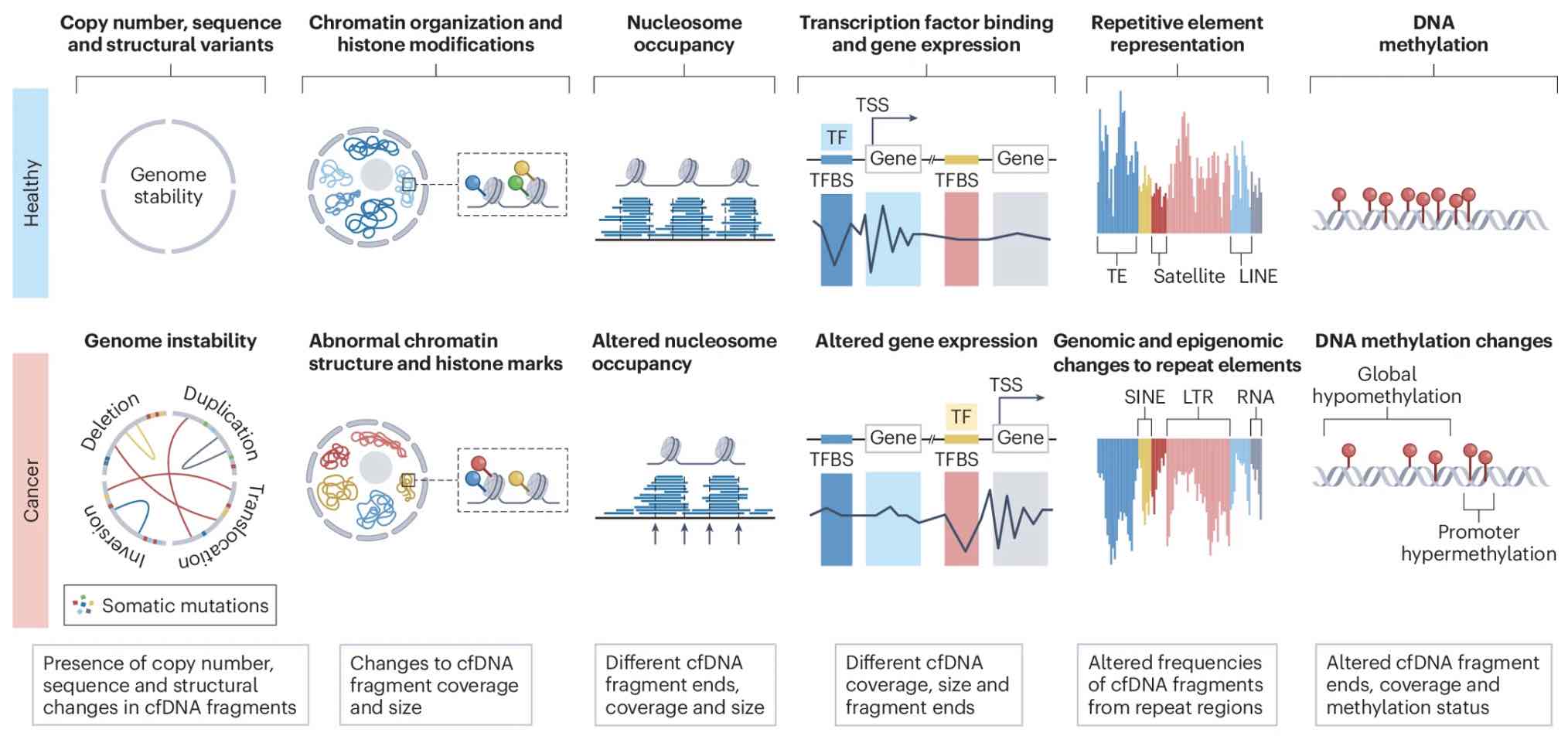
We recently published an article in Nature Reviews Cancer describing the cfDNA fragmentome, and the universe of cancer-related alterations that it can capture using AI and accessible, low-coverage whole genome sequencing. We have previously defined the cfDNA fragmentome as the genome-wide compendium of cfDNA fragments found in the circulation, providing an integrated view of an individual’s genomic, epigenomic and chromatin state. Congratulations to Dan and our team on this great resource highlighting the potential for cfDNA fragmentomes to revolutionize the early detection and monitoring of cancer!

Bruhm DC, Vulpescu NA, Foda Z, Phallen J, Scharpf RB, Velculescu VE. Genomic and fragmentomic landscapes of cell-free DNA for early cancer detection. Nature Reviews Cancer 25, 341–358. 2025 Mar 04. doi: 10.1038/s41568-025-00795-x.  Article

Comments are closed.

AI Blood test enhances lung cancer detection

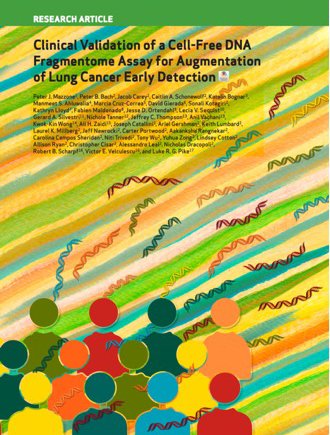
A prospective clinical trial validating our DELFI AI blood test for early detection of lung cancer has just been published in Cancer Discovery. As the first validated blood test for detecting lung cancer, this cell-free DNA fragmentome assay has the potential to make lung cancer less invasive, more accessible and to save lives from the leading cause of cancer deaths.  Congratulations to team members at Johns Hopkins, collaborators at multiple institutions, and DELFI! 

Mazzone PJ, Bach PB, Carey J, Schonewolf CA, Bognar K, Ahluwalia MS, Cruz-Correa M, Gierada D, Kotagiri S, Lloyd K, Maldonado F, Ortendahl JD, Sequist LV, Silvestri GA, Tanner N, Thompson JC, Vachani A, Wong KK, Zaidi AH, Catallini J, Gershman A, Lumbard K, Millberg LK, Nawrocki J, Portwood C, Rangnekar A, Sheridan CC, Trivedi N, Wu T, Zong Y, Cotton L, Ryan A, Cisar C, Leal A, Dracopoli NC, Scharpf RB, Velculescu VE, Pike LRG.  Clinical validation of a cell-free DNA fragmentome assay for augmentation of lung cancer early detection.  Cancer Discovery. 2024 Nov 1;14(11):2224-2242. doi: 10.1158/2159-8290.CD-24-0519. PMID: 38829053.  Article | Press

Comments are closed.

Illuminating the dark matter of the genome

We are illuminating the dark matter of the cancer genome using a new AI approach we have developed called ARTEMIS. This method reveals genome-wide repeat landscapes in cancer and in cell-free DNA, and shows promise for early detection of lung and liver cancers. Congratulations to Akshaya and members of the team on this important advance in our understanding of the cancer genome! 

Annapragada AV, Niknafs N, White JR, Bruhm DC, Cherry C, Medina JE, Adleff V, Hruban C, Mathios D, Foda ZH, Phallen J, Scharpf RB, Velculescu VE.  Genome-wide repeat landscapes in cancer and cell-free DNA.  Science Translational Medicine. 2024 Mar 13;16(738):eadj9283. doi: 10.1126/scitranslmed.adj9283. Epub 2024 Mar 13.  PMID: 38478628.  Article | Press

Comments are closed.